
One of the most common issues women face during perimenopause and menopause is sleep disturbance. Sleep is essential for our overall health and well-being. It affects almost every system in our body.
Why Sleep Is Important
During sleep our bodies repair tissues, maintain the immune system, consolidate memories, and regulate hormones. Chronic lack of sleep can lead to health issues, including:
- Increased risk of cardiovascular disease (heart disease, high blood pressure, stroke)
- Diabetes
- Weight gain
- Cognitive changes (including brain fog)
- Mood swings (anxiety, irritability, sadness)
What Causes Sleep Problems In Perimenopause?
According to the National Institute of Health, around 35% to 60% of peri-menopausal women face sleep problems. The main causes are:
Hormones
Oestrogen, progesterone and melatonin are key hormones that affect how well you sleep. These hormones help regulate sleep by influencing brain chemicals. When their levels drop during perimenopause and menopause it can lead to restless nights and frequent wake-ups.
Night Sweats
This common symptom can lead to frequent awakenings at night and difficulty staying asleep.
Mod Changes
Anxiety and depression, which are prevalent during perimenopause, can affect sleep quality.
Stress
Multiple life stressors can elevate stress hormones, such as cortisol and adrenaline, resulting in sleep problems.
Sleep Apnea
The risk of sleep apnea increases during perimenopause and post- menopause, contributing to fragmented sleep and daytime fatigue.
Diet and Lifestyle
Caffeine, alcohol, and a high-sugar diet can negatively affect sleep quality.
How Much Sleep do I Need?
It’s recommended to get 7-9 hours of sleep every night.
Tips For Better Sleep
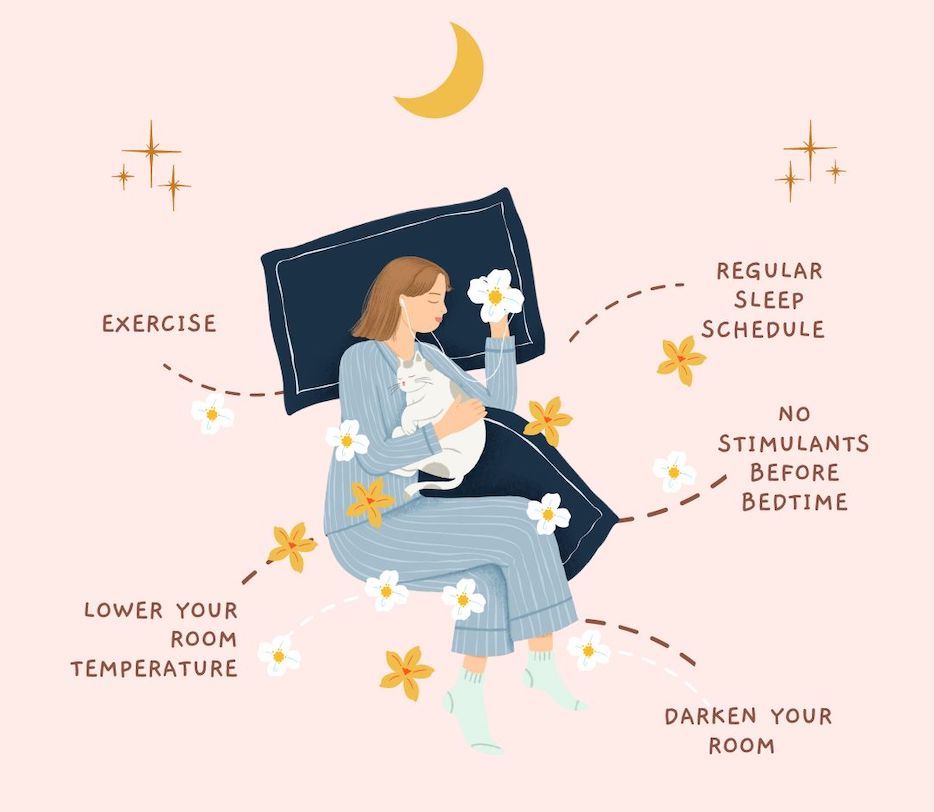
1.Create a Sleep-Friendly Environment
Ensure your sleep environment is dark and quiet to minimise disruptions.
Keep your bedroom cool, particularly if you have night sweats.
2. Maintain a Regular Sleep Schedule
Try to go to bed and wake up at the same time every day, even on weekends.
3. Mind Stimulants
Limit your caffeine intake, especially in the afternoon and evening. Caffeine can stay in your system for several hours, making it harder to fall asleep.
Be mindful of alcohol. Initially, alcohol may help you fall asleep, but it often results in restless sleep (waking up at night – does this sound familiar?), leaving you tired and groggy upon awaking.
In addition, in some individuals, alcohol can reduce the production of melatonin, an essential hormone that regulates sleep-wake cycle.
4. Exercise Regularly
Especially outdoor exercise helps you fall asleep faster and enjoy deeper, more restorative sleep. Whether it’s taking a brisk walk, gardening, or cycling, finding an activity you love can make it easier to stay consistent.
5. Manage Stress and Anxiety
Practice relaxation techniques such as deep breathing, meditation, or yoga to calm your mind and prepare your body for sleep.
6. Try Herbal Teas.
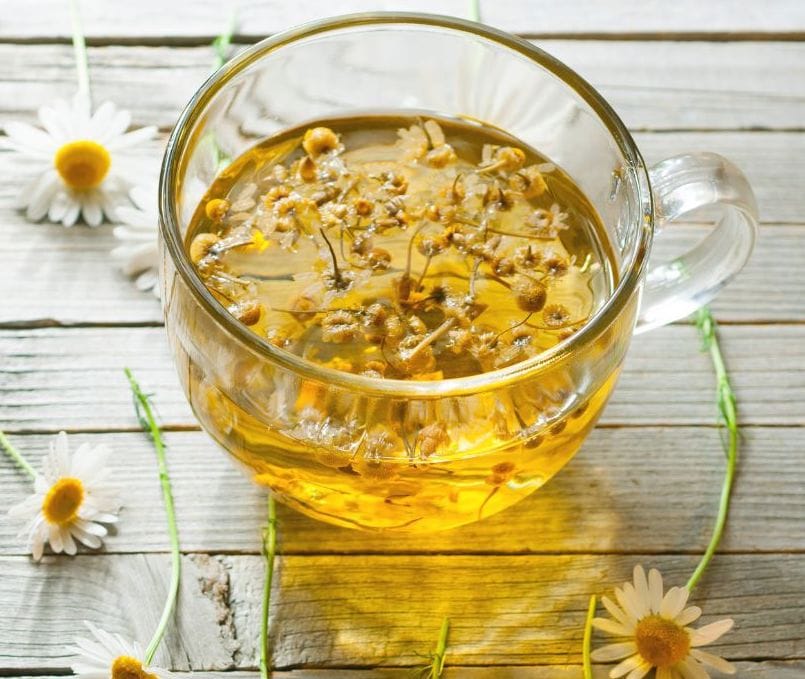
Drinking a cup of camomile or lemon balm tea can be a wonderful addition to your bedtime routine, offering natural ways to unwind and prepare for a restful sleep.
I always encourage my clients to start with one or two strategies and build from there.
Prioritising your sleep can make a significant difference in your overall wellbeing and help you feel more energised, and productive during the day.
References:
National Sleep Foundation (2021). Sleep and Menopause.
Araj-Khodaei, M., Noorbala, A. A., Yarani, et al. (2020). A double-blind, randomized pilot study for comparison of Melissa officinalis L. and Lavandula angustifolia Mill. with Fluoxetine for the treatment of depression. BMC Complementary Medicine and Therapies.
Salari, N., Hasheminezhad, R., Hosseinian-Far, A, et al. (2023). Global prevalence of sleep disorders during menopause: a meta-analysis. Springer Nature.
Xie, Z., Chen, F., Li, W. A., et al. (2017). A review of sleep disorders and melatonin. Neurological Research.
Alnawwar, M. A., Alraddadi, M. I., Algethmi, R. A, et al. (2023). The Effect of Physical Activity on Sleep Quality and Sleep Disorder: A Systematic Review. Cureus.