

Midlife is often framed very negatively. In reality, it’s a natural and powerful transition, one that many women could navigate far better if they had the right information earlier.
Research from University College London (UCL) in 2023 found that over 90% of postmenopausal women were never taught about menopause during their education, and nearly half felt uninformed about what to expect. Too often, women enter their 40s and 50s surprised by changes in energy, metabolism, hormones, and mental health. Not through any fault of their own, but because the information simply wasn’t shared early enough. It’s never too late to change that.
Here are five key lessons I believe every woman should know before midlife to support her health, strength, and longevity.
1. Hormonal Changes Start Long Before Menopause
Many women are taught to think of menopause as a sudden event in their 50s.
In truth, hormonal shifts begin much earlier, often in the mid to late 30s — during perimenopause. For more details on what perimenopause is, check my post The comprehensive guid to perimenopause
Missing periods are not the only sign that hormones are changing. Early symptoms can include:
- Poor sleep
- Night sweats
- Increased anxiety
- Brain fog
- Changes in cycle length
- New joint or muscle pain
- Hair thinning.
These symptoms can come and go unpredictably, adding to the confusion. Recognising early perimenopause symptoms allows women to take proactive steps – supporting hormonal balance through nutrition, stress management, movement, and, when needed, medical care, rather than scrambling for solutions after problems escalate.
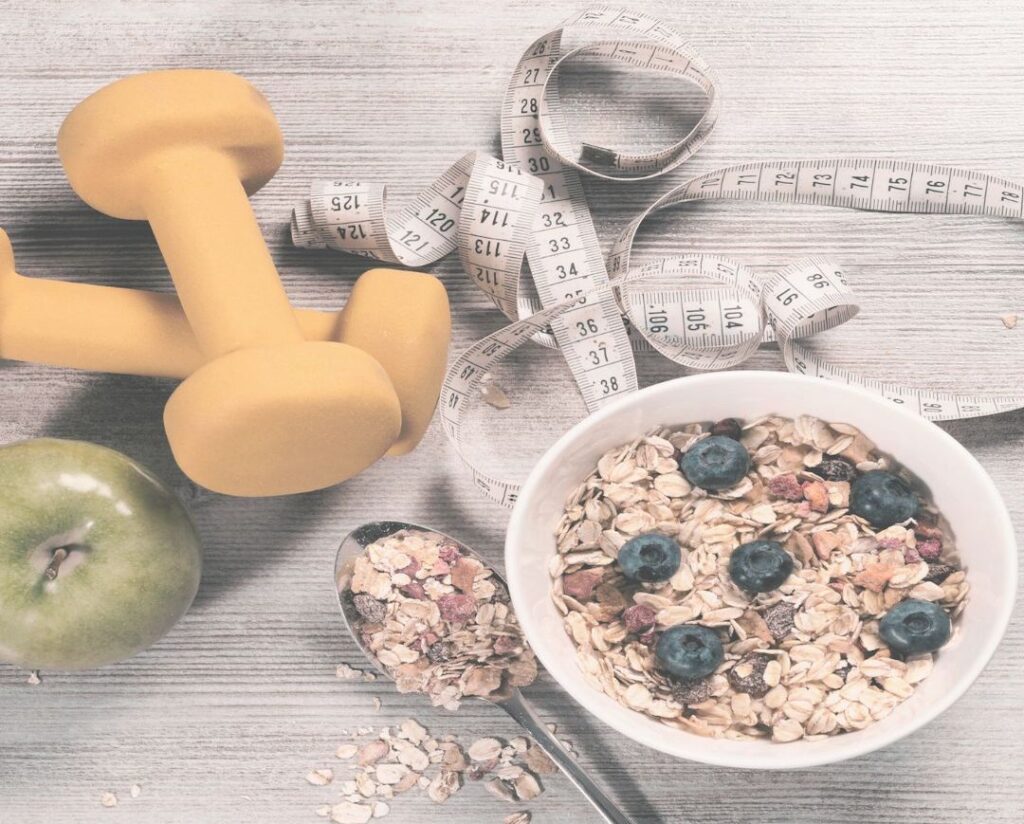
2. Metabolic Health Is More Important Than Weight
The conversation about women’s health has long been dominated by weight loss.
But what’s more important is understanding metabolic health — how the body handles fats, blood sugar, insulin, inflammation, and energy production.
As eostrogen declines, insulin sensitivity decreases and inflammatory markers can rise — even in women who on the surface appear healthy.
Focusing on metabolic health early can help women in midlife prevent a cascade of issues, including:
· Stubborn weight gain
· Persistent fatigue
· Pre-diabetes and blood sugar instability
· Chronic inflammation
· Increased risk of future chronic diseases
Flexible metabolism is the foundation for sustainable energy, cognitive health, and physical resilience.
3. Stress Is Not Just Emotional — It’s Physiological
Stress management isn’t just about feeling calmer. It’s about protecting your endocrine, cardiovascular, and immune systems.
Chronic stress accelerates hormonal disruption in women, raises cortisol, damages sleep quality, and increases midlife disease risk, especially for heart disease, autoimmune conditions, and cognitive decline.
Yet many women are typically taught to manage stress in vague terms (like meditation apps or yoga) but without addressing the deeper need for boundaries, nervous system regulation, and rest.

4. Muscle Mass Is Non-Negotiable
Most women weren’t told that muscle loss starts in their 30s, accelerates post-menopause’
Low muscle mass (sarcopenia) is directly linked to:
- Slowed metabolism
- Increased insulin resistance
- Higher fall and fracture risk
- Loss of independence in later life
Strength training and adequate protein intake should be non-negotiable health habits — starting far earlier than most women realise.
5. Advocacy in Healthcare Is Essential
Studies have found that women’s symptoms are more likely to be minimised, misdiagnosed, or dismissed in healthcare settings compared to men’s.
Women should be equipped early with skills to:
• Track symptoms with a timeline (start date, frequency, triggers)
• Ask specific, informed questions
• Push for appropriate testing, referrals, or second opinions when needed
• Request copies of visit notes and test results
• Trust their instincts – if something feels wrong, politely push back when symptoms are dismissed as “normal” or “just ageing.”
Without this foundation, too many women lose critical years living with untreated conditions, unanswered questions, and unnecessary suffering, especially during the complex hormonal shifts.

Final Thoughts
Midlife doesn’t have to be a time of confusion, frustration, or decline.
With the right knowledge and support, it can be a time of strength, clarity, and powerful health shifts.
If you’re going through these changes now or want to prepare for them, it’s not too late to take control of your health. There is so much you can do to support your health, vitality, and future.
And if you’re raising or mentoring younger women, share this knowledge early.
It could change the course of someone’s life.
“Strength, clarity, and vitality are still within your reach — starting now.”
References:
Sayer, A. A., Syddall, H. E., Martin, H. J., Dennison, E. M., & Cooper, C. (2008). Prevalence of sarcopenia in the UK: Findings from the Hertfordshire Cohort Study. Age and Ageing, 37(3), 382–388.
Santoro, L. (2016). Perimenopause: From research to practice. Journal of Women’s Health, 25(12), 1194-1200.
Jacobs, E. G. (2014). Gender bias in health research leads to unintended consequences. Harvard Medical School News.
Burton, C. L., Bonanno, G. A., & Hatzenbuehler, M. L. (2014). Familial social support predicts a reduced cortisol response to stress in sexual minority young adults. Psychoneuroendocrinology, 47, 241–245
Claréus, B., & Renström, E. A. (2019). Physicians’ gender bias in the diagnostic assessment of medically unexplained symptoms and its effect on patient–physician relations. Scandinavian Journal of Psychology, 60(5), 430–438.
University College London (2023). Nine in ten women were never educated about menopause, survey reveals.
Great article!
I didn’t realise hormonal changes start so early.
So glad you found it helpful.