
As a nutritionist, I understand the frustration many women experience with weight gain during perimenopause. This transitional phase leading up to menopause brings hormonal fluctuations that can contribute to an increase in body fat, particularly around the abdomen.
If you’re noticing changes in your body and finding it challenging to maintain your weight, you’re not alone. Let’s explore what’s happening and how you can take control.
Why Does Perimenopause Cause Weight Gain?
Perimenopause is the transitional phase before menopause. It typically starts in your 40s, but it can begin earlier. During this period, hormonal fluctuations, particularly in oestrogen and progesterone, can lead to metabolic changes, causing weight gain. Here are most common factors contributing to weight gain.
- Hormonal Imbalances
For example, as oestrogen levels decrease, our bodies tend to store more fat, especially around the belly (commonly known as belly fat). In addition, hormone fluctuations can contribute to insulin resistance. These changes can make it harder to lose weight and easier to gain it.
- Muscle Mass
We naturally lose muscle mass as we age, which directly affects our metabolism because muscle burns more calorie.
- Lifestyle Factors
Decreased physical activity, increased stress, poor sleep can all impact metabolism and weight gain during this phase.
How To Lose Weight During Perimenopause
While these hormonal shifts can make weight management challenging, there are steps you can take to support a healthy weight:
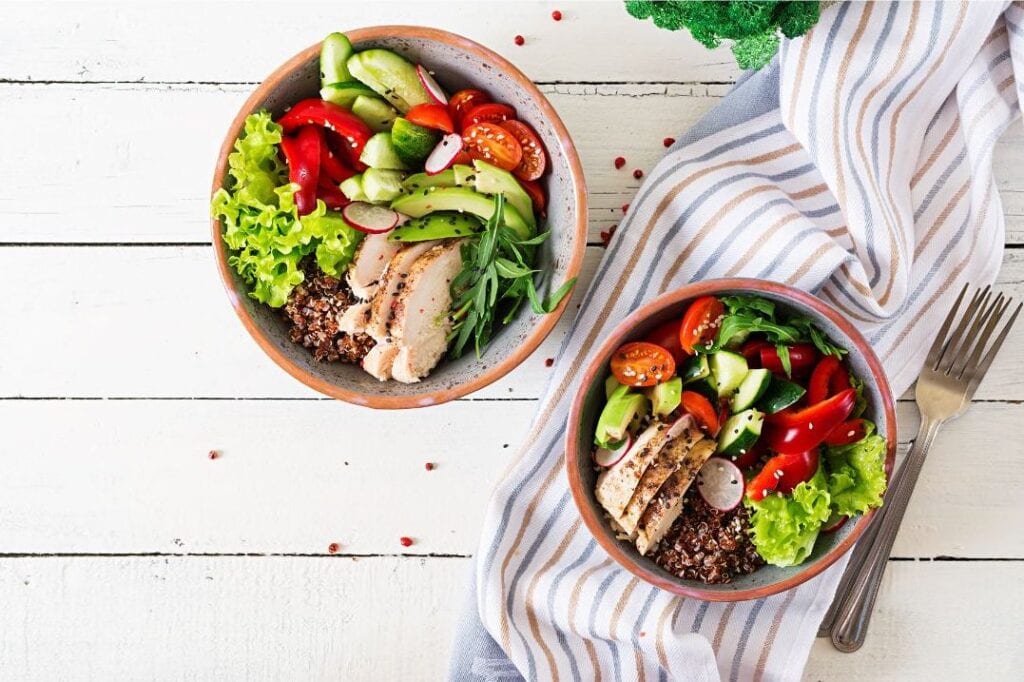
- Eat a Balanced Diet. Consume a variety of nutrient-dense foods such as lean proteins like poultry, fish, and plant-based sources, healthy fats like avocados, nuts and olive oil, and fibre-rich foods like fruits, vegetables, and whole grains. These foods are important for regulating your appetite hormones and supporting healthy digestion.
2. Watch Out for Empty Calories. These are found in sugary drinks, alcohol and condiments (ketchup, mayonnaise, and salad dressing contain added sugars and unhealthy fats). These can all contribute to weight gain without offering any nutritional benefits.
3. Stay Hydrated. Drink plenty of water or unsweetened beverages. Sometimes, thirst is mistaken for hunger, leading to unnecessary snacking.
4. Stay Active. Particularly focus on strength training. Building and maintaining muscle mass is crucial to boost metabolism and fat loss.
5. Mindful Eating. Practice mindful Eating. Pay attention to what and when you eat. Avoid eating out of boredom or stress and try to eat meals without distractions like TV or smartphones.
Finally, don’t underestimate the importance of quality sleep, stress management and self-care during this transitional time. Hormonal fluctuations can take an emotional toll, so be kind to yourself and seek support if needed.
Weight management during perimenopause can be challenging, but with the right approach, you can maintain a healthy weight and feel your best.
Remember, it’s about making sustainable changes that fit your lifestyle.
If you have any questions or need personalised advice, feel free to reach out.
References:
Engels, D. C., Schweiger, M. J., et al. (2020). “Hormonal Regulation of Energy Metabolism and Metabolic Disorders: Current Understanding and Perspectives.” Obesity Reviews.
K. L. West, N. F. Butte, et al. (1995). “Changes in Energy Expenditure and Physical Activity in Postmenopausal Compared with Premenopausal Women.” American Journal of Clinical Nutrition.
Clegg, D. J., Brown, L. K., et al. (2006). “Estrogen and Energy Expenditure: Evidence for Opposite Effects of Estrogen Receptor Alpha and Beta in the Regulation of Energy Balance and Adiposity.” Endocrinology.
Lovejoy, E. A., Champagne, S. S., et al. (2008). “Menopausal Transition and Changes in Body Composition and Fat Distribution.” Obesity Research.
Erdélyi, A., Pálfi, E., et al. (2024) ‘The Importance of Nutrition in Menopause and Perimenopause—A Review’, Nutrients.